غرفة تجارة دمشق تبحث فرص التعاون مع مؤسسة التمويل الدولية (IFC) لتعزيز الاستثمار ودور القطاع الخاص في سوريا
Damascus Chamber of Commerce Explores Cooperation Opportunities with IFC to Boost Investment and Private Sector Role in Syria:
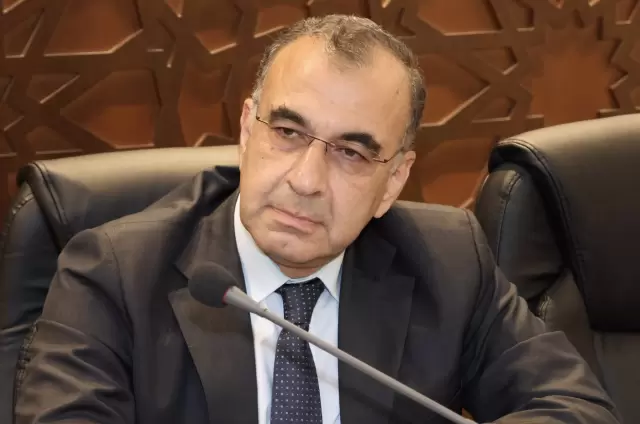
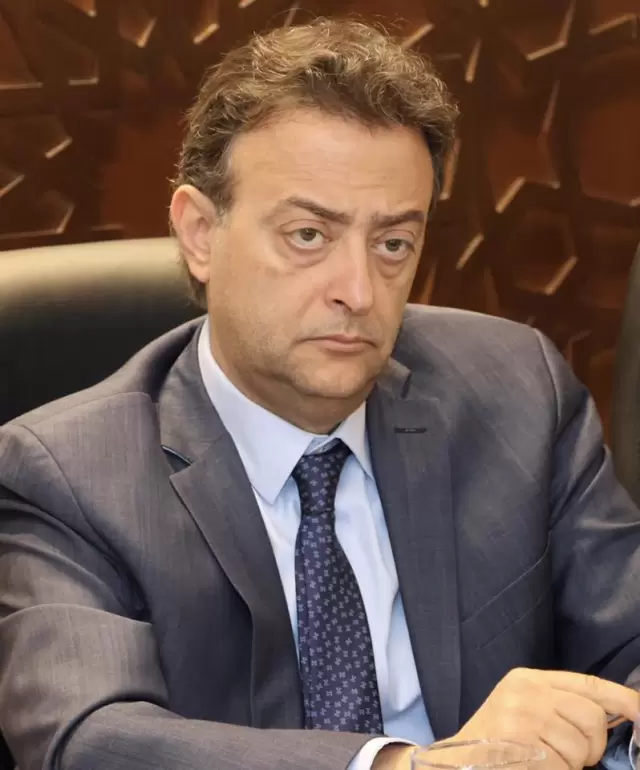
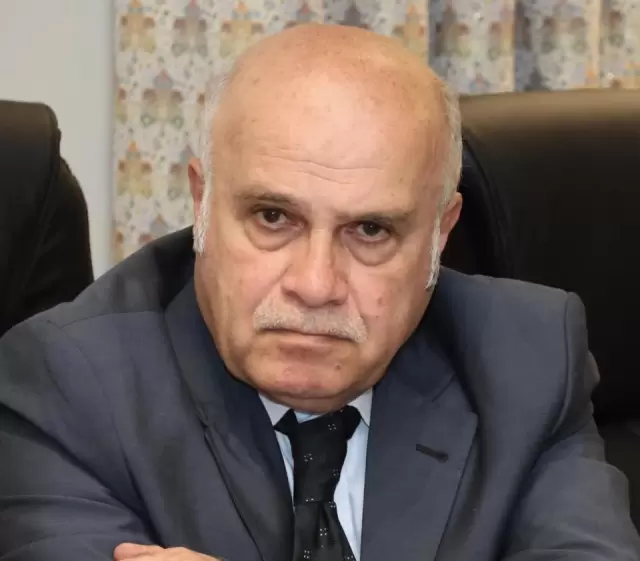
استقبل رئيس غرفة تجارة دمشق السيد عصام الغريواتي ونائباه السيد غسان سكر والدكتورة ليلى السمان، وأعضاء مجلس الإدارة السادة فريد خوري، درويش العجلاني، عدنان الحافي، والسيدة نادين شاوي، وفداً من مؤسسة التمويل الدولية (IFC)، في مقر اتحاد غرف التجارة السورية بدمشق، برئاسة المدير الإقليمي السيد أفتاب أحمد.
في مستهل اللقاء، رحب رئيس وأعضاء الغرفة بالوفد الضيف، مؤكدين أهمية الدور الذي يمكن أن تلعبه مؤسسة التمويل الدولية في دعم القطاع الخاص السوري، لاسيما في هذه المرحلة المفصلية من عملية التعافي الاقتصادي، والدور الهام الذي يمكن أن تقوم به غرفة تجارة دمشق كصرح اقتصادي عريق يمتلك إرثاً غنياً في مجالات التجارة والصناعة والحرف.
وقدّم رئيس غرفة تجارة دمشق السيد عصام الغريواتي لمحة موجزة عن التاريخ التجاري العريق لمدينة دمشق، والذي يمتد لآلاف السنين، مشيراً إلى الدور المحوري الذي لطالما لعبته المدينة كمركز تجاري وثقافي واقتصادي هام في المنطقة. كما نوّه إلى عراقة غرفة تجارة دمشق، التي تُعدّ من أقدم الغرف التجارية في العالم العربي، حيث تأسست عام 1830 كثاني غرفة تجارة في المنطقة بعد غرفة تجارة إسطنبول، مؤكداً على أن الغرفة تمتلك مكانة استراتيجية تؤهلها لأن تكون منبراً اقتصادياً فاعلاً ومحركاً رئيسياً في جهود إعادة بناء الاقتصاد السوري واستعادة موقعه الطبيعي إقليمياً ودولياً.
واستعرض الوفد الضيف طبيعة عمل الـIFC، التابعة لمجموعة البنك الدولي، كمؤسسة تنموية دولية تُعنى بتعزيز دور القطاع الخاص في البلدان النامية.
وأكد السيد أفتاب أحمد وجود مؤشرات إيجابية في المشهد الاقتصادي السوري خلال الأشهر الأخيرة، مشدداً على ضرورة إيلاء القطاع المصرفي أهمية خاصة، والتركيز على تمويل المشاريع الصغيرة والمتناهية الصغر التي تساهم بشكل مباشر في خلق فرص العمل وتحفيز النشاط الاقتصادي.
كما أشار إلى اللقاءات الحكومية التي عقدها الوفد، والتي وصفها بالإيجابية، مشيداً بالرغبة الجدية التي أبدتها الجهات الرسمية في التعاون مع شركاء دوليين. وأضاف بأن هناك اهتماماً متزايداً في الاستثمار في البنى التحتية، بما يشمل الطرق والمطارات ومشاريع الطاقة، من خلال صيغ تمويلية طويلة ومتوسطة الأجل، مؤكداً أن توفير الاستقرار الأمني هو عامل حاسم في جذب الاستثمارات وتحقيق التنمية المستدامة.
من جانبهم، أكد أعضاء مجلس إدارة غرفة تجارة دمشق على التوجه الحكومي الواضح نحو تعزيز دور القطاع الخاص والانتقال الفعلي إلى اقتصاد السوق، مشيرين إلى العقبات التي كانت تعترض هذا التوجه خلال فترة النظام البائد، مثل ضعف التمويل، ارتفاع معدلات الفائدة، شح السيولة، والتضخم، فضلاً عن السياسات الاقتصادية الخاطئة التي أثرت سلباً على بيئة الأعمال.
كما تم تسليط الضوء على التحديات التي تواجهها المؤسسات الصغيرة والمتوسطة، وصعوبات التمويل الخارجي، بما في ذلك آليات الدفع المسبق مع الموردين الأجانب، وندرة الضمانات الاستثمارية التي تحدّ من قدرة المستثمرين المحليين والأجانب على الدخول في مشاريع جديدة.
وأبدى الحضور اهتماماً بالغاً بإقامة شراكات استثمارية قائمة على التشاركية بين القطاعين العام والخاص، وخاصة في مشاريع البنى التحتية، مؤكدين استعداد الغرفة للعب دور الوسيط بين المؤسسات المحلية والمستثمرين، وتقديم الدعم اللازم لتأمين التمويل من خلال التعاون مع مؤسسة الـIFC.
كما تم الاتفاق على أهمية رفع العقوبات الاقتصادية المفروضة، لما تشكله من عائق مباشر أمام تدفق الاستثمارات وتوسيع فرص التمويل، مع الإشارة إلى أن قرارات القروض تخضع لمجلس إدارة المؤسسة، لكن هناك نية واضحة لمتابعة اللقاءات وتوسيع أطر التعاون.
في ختام اللقاء، تم التأكيد على استمرارية الحوار بين الجانبين، وتشكيل قنوات تواصل مباشرة لتحديد القطاعات ذات الأولوية، وبحث إمكانية وضع خطة تنفيذية مشتركة تواكب احتياجات الاقتصاد السوري وتفتح آفاقاً جديدة أمام الاستثمارات النوعية.
The President of the Damascus Chamber of Commerce, Mr. Issam Al-Grewati, along with his deputies Mr. Ghassan Sukkar and Dr. Layla Al-Samman, and board members Mr. Farid Khoury, Mr. Darwish Al-Ajlani, Mr. Adnan Al-Hafi, and Ms. Nadine Shaoui, received a delegation from the International Finance Corporation (IFC) at the headquarters of the Federation of Syrian Chambers of Commerce in Damascus. The delegation was headed by IFC Regional Director Mr. Aftab Ahmed.
At the beginning of the meeting, the Chamber President and members welcomed the visiting delegation, emphasizing the important role the IFC can play in supporting the Syrian private sector—especially at this critical phase of economic recovery. They also highlighted the significant role the Damascus Chamber of Commerce can undertake, given its longstanding legacy in trade, industry, and craftsmanship.
Mr. Issam Al-Grewati gave a brief overview of Damascus’s rich commercial history, which spans thousands of years, noting the city's historic role as a major trade, cultural, and economic hub in the region. He also pointed out that the Damascus Chamber of Commerce, established in 1830, is one of the oldest chambers of commerce in the Arab world—second only to the Istanbul Chamber of Commerce—emphasizing the Chamber’s strategic position as an active economic platform and a key driver in rebuilding Syria’s economy and restoring its regional and international standing.
The visiting IFC delegation presented the nature of the Corporation’s work as a member of the World Bank Group, dedicated to strengthening the role of the private sector in developing countries.
Mr. Aftab Ahmed noted positive indicators in the Syrian economic landscape in recent months, stressing the need to focus on the banking sector and on financing small and micro enterprises that directly contribute to job creation and economic stimulation.
He also referred to governmental meetings held by the delegation, describing them as positive and praising the serious willingness shown by official entities to cooperate with international partners. He added that there is growing interest in investing in infrastructure—including roads, airports, and energy projects—through medium- and long-term financing mechanisms, affirming that ensuring security and stability is essential for attracting investments and achieving sustainable development.
The Chamber board members, in turn, affirmed the government's clear orientation towards strengthening the private sector’s role and transitioning to a market economy. They pointed out the obstacles that hindered this path under the previous regime, such as lack of funding, high interest rates, liquidity shortages, inflation, and flawed economic policies that negatively impacted the business environment.
Challenges facing small and medium-sized enterprises were also highlighted, particularly difficulties with external financing, including prepayment mechanisms with foreign suppliers and the scarcity of investment guarantees, which limit the ability of both local and foreign investors to enter new projects.
Attendees expressed strong interest in establishing investment partnerships based on public-private collaboration, especially in infrastructure projects, and confirmed the Chamber's readiness to act as a mediator between local institutions and investors. They also offered support in securing financing through cooperation with the IFC.
The importance of lifting economic sanctions was also discussed, as these sanctions are seen as a direct obstacle to investment inflows and the expansion of financing opportunities. While loan decisions fall under the jurisdiction of the IFC Board of Directors, there is a clear intention to continue the meetings and broaden the scope of cooperation.
At the conclusion of the meeting, both sides affirmed the continuity of dialogue and agreed to establish direct communication channels to identify priority sectors and explore the possibility of developing a joint implementation plan aligned with Syria’s economic needs, opening new horizons for quality investments.